

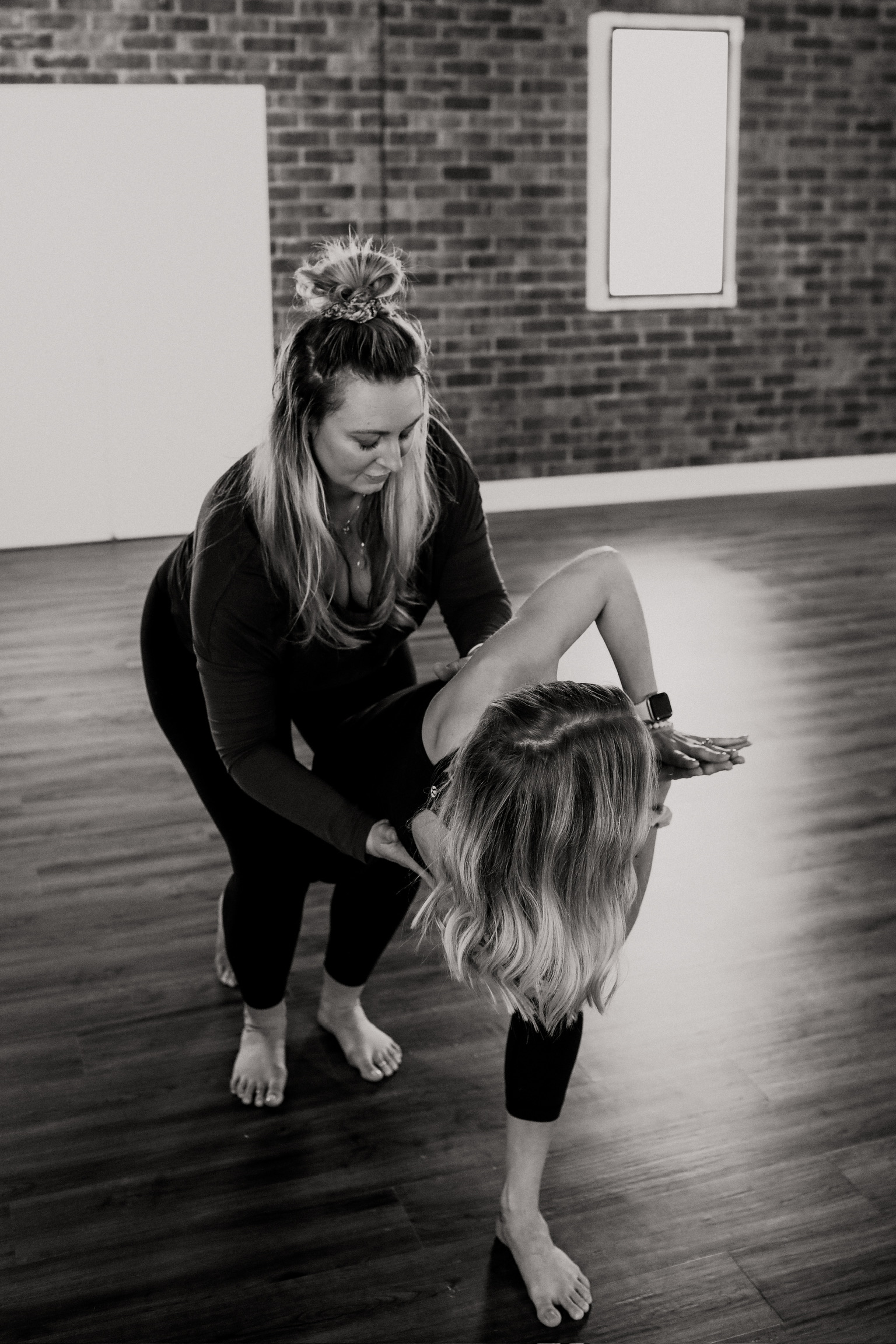
You love yoga. This practice means more to you than you can easily put into words.
You’ve studied hard, you live and breathe it. Now you’re the one at the front of the room. And you want to have an impact. Become skilled. To deeply connect with your students in a way that actually changes something for them.
Maybe your cues are falling flat, or you’re noticing people get lost when you try to transition them from down dog to wild thing or through chaturanga to upward facing dog. Maybe you’re noticing your students drifting when you want them to be really feeling your magic and deepening their practices.
For teachers who have been in the room for years, the challenge is different. The passion that got them there is still in there somewhere, but the inspiration has gone quiet. They know something is off. They’re just too close to it, too tired, or too deep in their own head to see their own blind spots anymore.
And for some teachers, the challenge starts even before that.
Getting into a studio in the first place. Landing that first class. Building from there once you do and becoming a more integral part of the studio community.
Maybe you’re a new teacher looking for support to start teaching. It’s not always easy to find a studio whose culture you feel connected to. This is something we can focus on during your mentorship, so you land your first studio classes in a space that inspires you.
You finished your training with a solid foundation. But teaching real bodies in a real studio is a different thing entirely. Nobody handed you a framework for that.
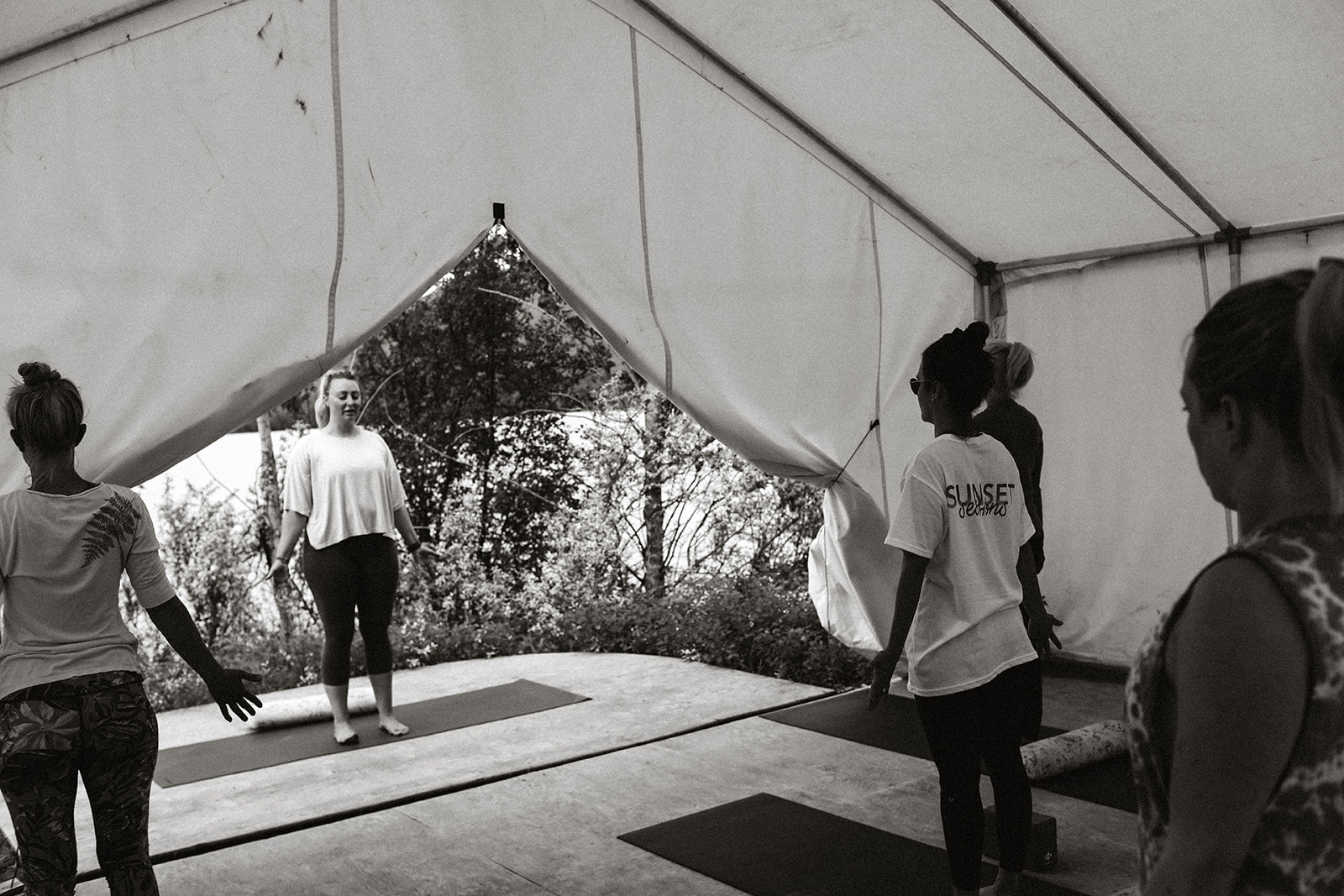
And I’ll be there to observe you in the most crucial moments, as you figure out who you are as a teacher.
That’s what this is.
Be Held While You Become the Teacher You Want to Be
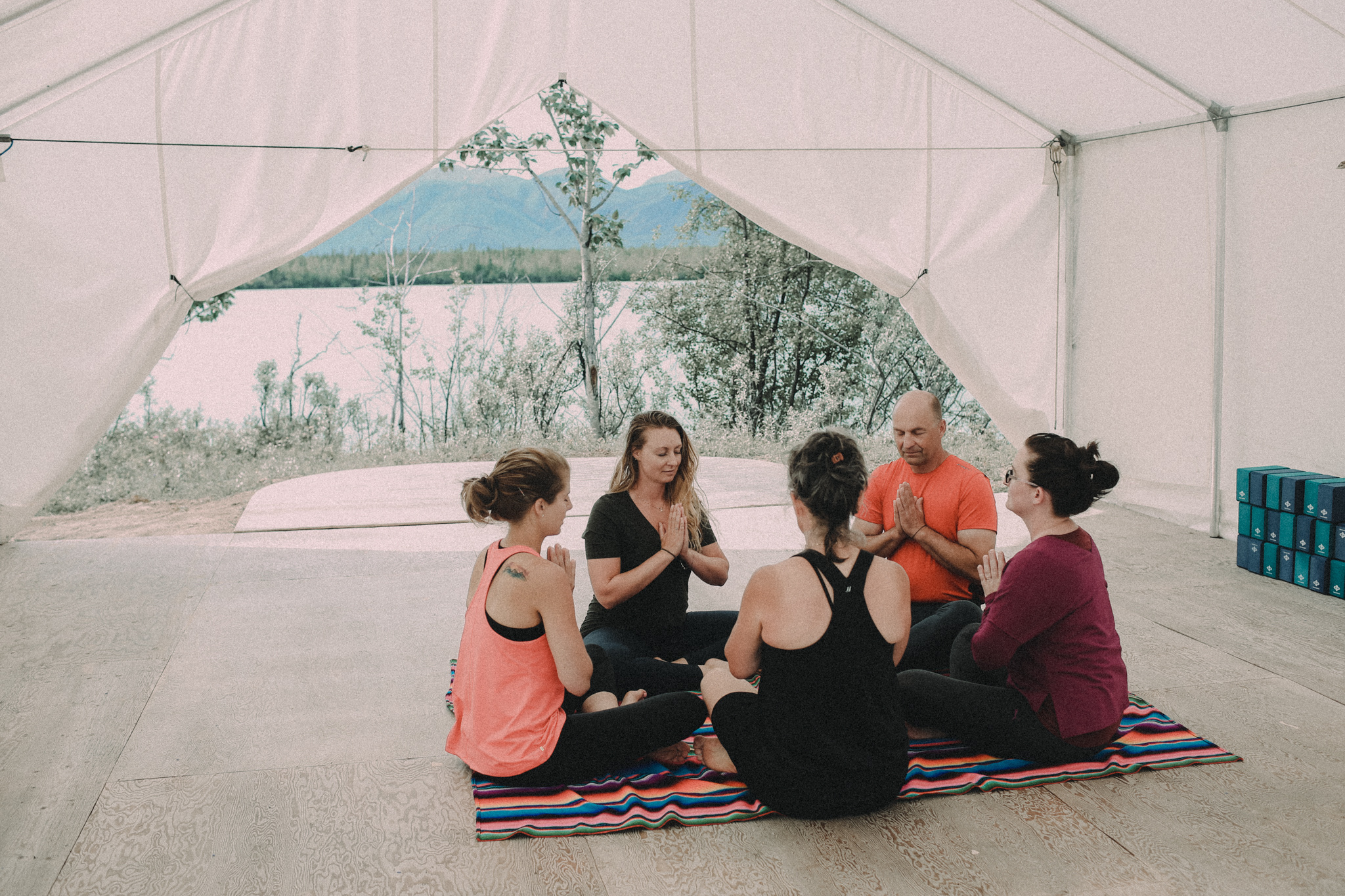
Twice a year, I take on a small group of yoga teachers, 5 to 10 people, for three months of structured, senior-level mentorship. We meet online every other week, one of those calls being a 1:1 to go over your class feedback and your goals directly, and the next being a group call so there’s room for collaborative learning too.
Who This Is For
This mentorship is for teachers at any stage, and what connects them is less about how many years they’ve been in the room and more about the hunger they bring to it.
Fresh out of training.
Some teachers come fresh out of training. They have the foundation but not yet the confidence, and they want feedback grounded in a real teaching environment. Others come because they want a real method to sequencing, a framework they can trust. We work with both linear and creative approaches, and the non-linear work does lean toward teachers who already have a lot of experience in the room.
Years in the room.
Some have been teaching for years and can feel that something has subtly shifted. The classes that used to feel alive now feel like going through the motions. Habits have crept in that are hard to see from the inside. What they’re looking for is inspiration and accountability, someone to watch their teaching with fresh eyes and a cohort to be in honest conversation with. The class audit is particularly useful here, because outside eyes catch what years of familiarity can hide.
Lost their own practice.
Some have lost their personal practice to the demands of studio teaching and want to find their way back to their own mat while becoming a better teacher at the same time.
The business side.
Some are here because they want help with the business side. Approaching a studio owner, landing a first class, building seniority and getting more involved in the studio community over time.
What almost everyone shares is a desire to build classes that are holistic and coherent.
Classes where students feel more in their body when they leave. Where trust builds over time. Where the practice starts to feel like something they can actually rely on inside themselves. That kind of teaching builds retention. It’s also what fills workshops and retreats when you’re ready to offer them, because your students already feel something real in the room with you. That relationship is something we work on directly.
Most also find that doing this work inside a small, serious cohort, with people who are working through the same things at the same time, matters more than they expected.
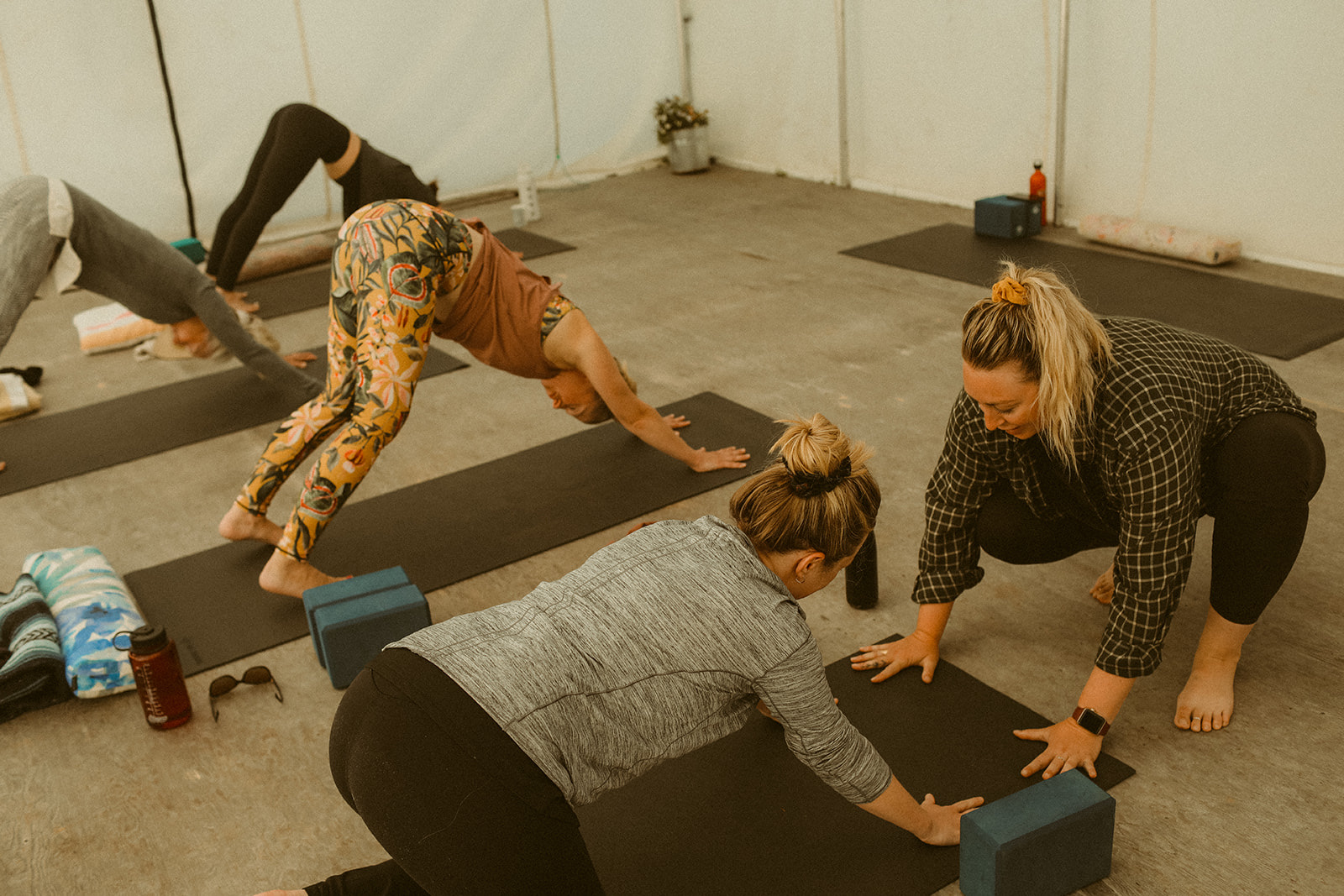
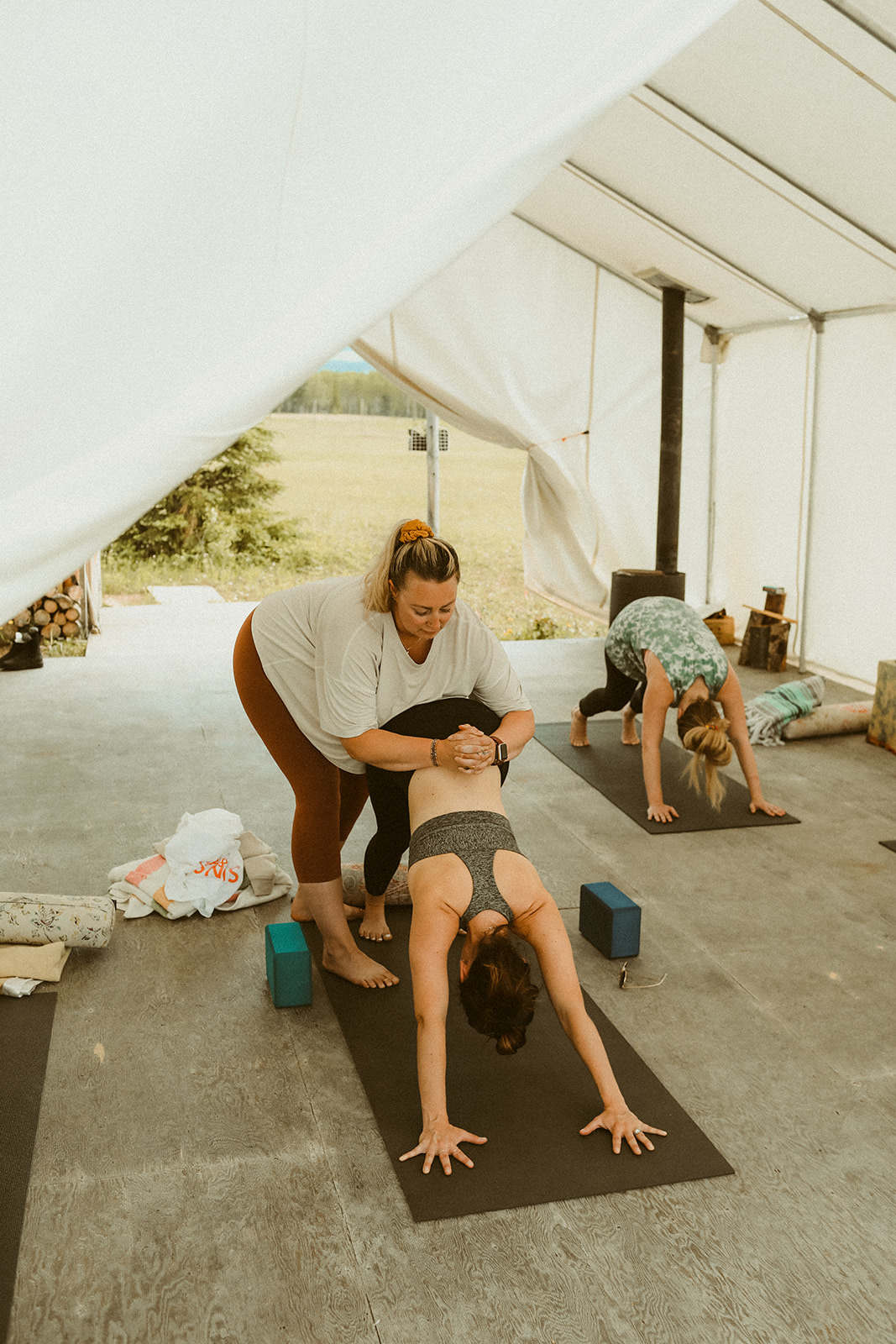
Each teacher gets to work from a focus that fits where they are: sequencing, theming, personal practice, the business of teaching, or hands-on adjustments. The mentorship shapes itself around what you actually need.
A Little About Where This Comes From
I’ve been teaching full-time since 2010. I’ve trained under Clara Roberts-Oss, Rod Stryker, Meghan Currie, and many others, and I hold an E-RYT 500.
When I was early in my teaching, I did have people around me I could have asked. I just didn’t know I needed to, or how. So I stumbled through on my own, and it took longer than it needed to.
When I started out I was teaching around twenty classes a week. That kind of volume offers a lot of room to trial and error, to try something new on a Tuesday and feel the difference by Thursday. Most teachers today don’t have that. If you’re teaching one or two classes a week, the progression takes much longer. It takes more time to mature, to find your own voice as a teacher, a voice that is really yours and not just a confident-sounding one.
This mentorship is about compressing that timeline. Giving you the outside eyes, the framework, and the specific feedback that I had to find my way to slowly, so that you don’t have to.
What the Three Months Look Like
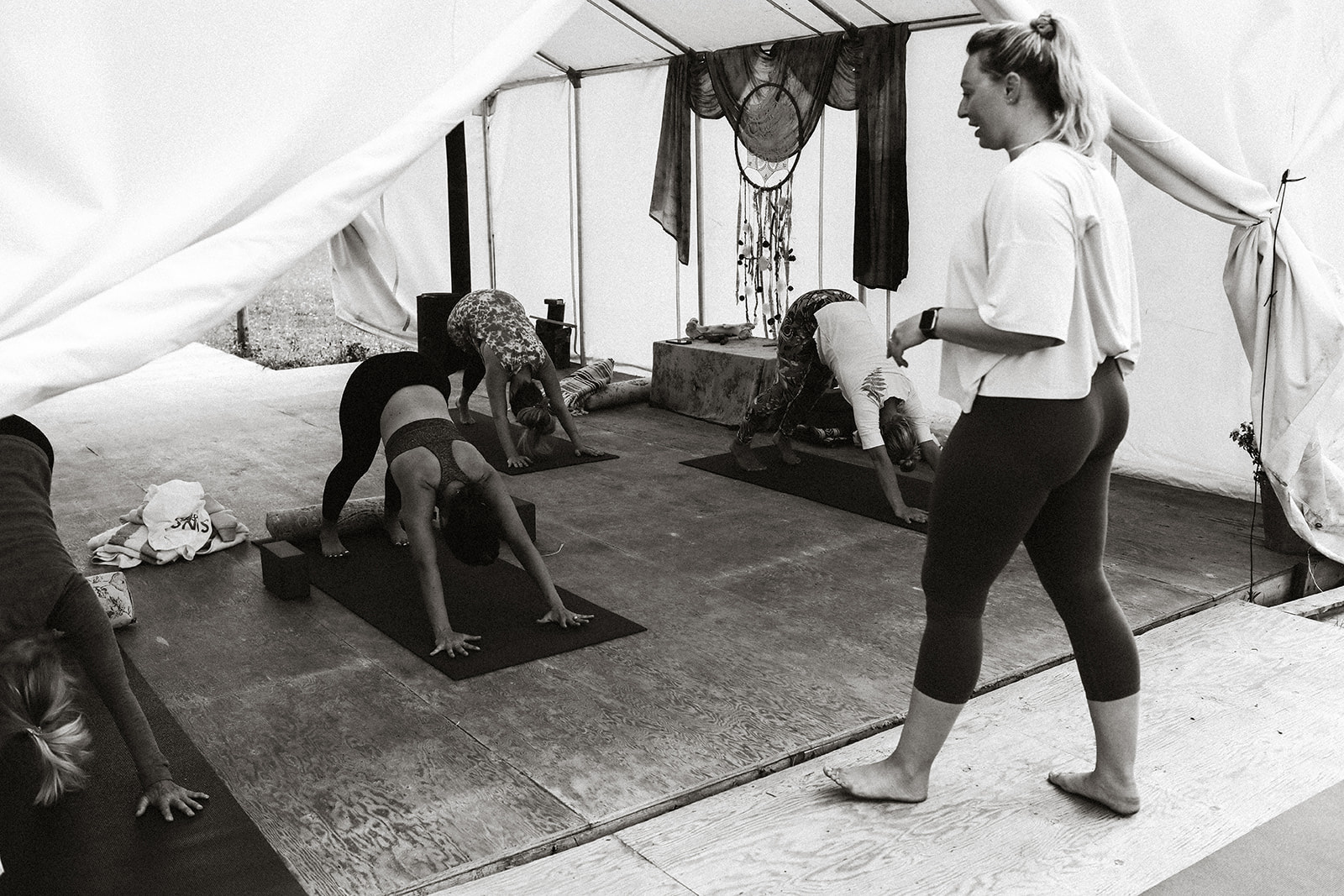
We meet online every other week for three months, alternating between two kinds of calls. One call is a 1:1, just you and me, to go over your class feedback in detail. The following call is a group call, where we go deep on sequencing, cueing, transitions, and whatever is alive in your teaching right now. The feedback from individual classes becomes a learning moment for the whole cohort.
Between calls, you work through material drawn directly from your own feedback and your chosen focus. What that looks like will be a little different for everyone, because the material follows what your teaching actually needs, not a fixed curriculum everyone moves through at the same pace.
You record your studio classes and send them to me. I watch and practice them and give you specific feedback on what I see. The cohort stays small, 5 to 10 teachers, so you are known and not just enrolled.
The Class Audit
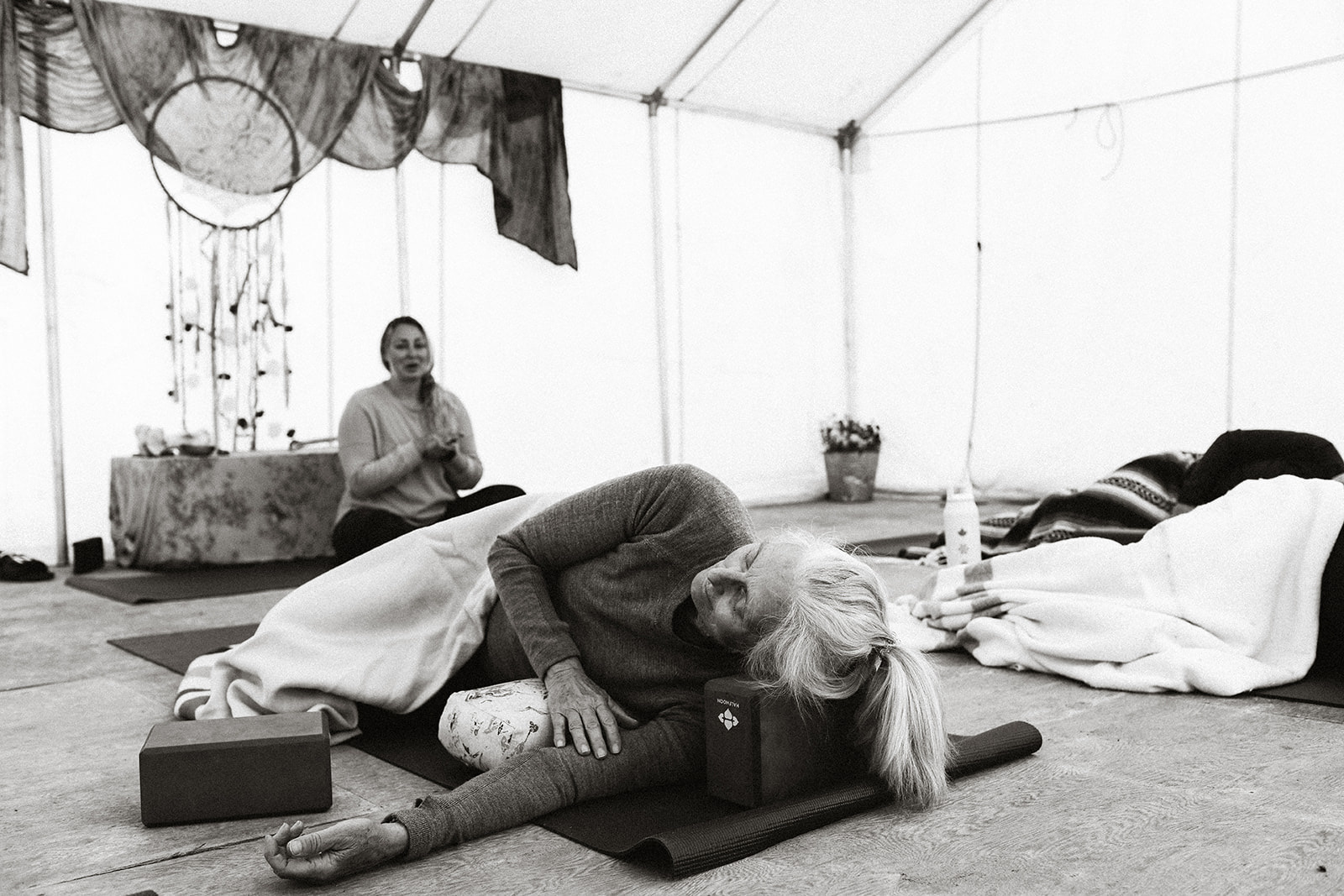
You record your class each month and send it to me. I watch and practice it and give you structured feedback covering what worked, what didn’t, and the finer details that make the difference between a class that lands and one that almost does. Your cueing, your sequencing, your transitions, the moments students drift and why, and the moments your sequencing works even when you may not know why YET. I also go over the positive. What was strong, what felt clear, what is worth keeping exactly as it is.
Most teachers finish a training or a program and go back into the room alone with a set of tools and figure out the rest by themselves. I don’t think that’s always the best way to grow. But it doesn’t have to be figured out alone. The feedback formula I use comes from my advanced teacher training with Clara Roberts-Oss and from fifteen years of teaching many different bodies from many different walks of life. It’s what helped me get specific and polished in my own teaching, from the language I use to the way I put classes together to the way I hold the space in the room with my students. I’m passing it on directly.
Ready to Apply
Cohorts run twice a year.
Our three months together include alternating 1:1 and group calls, material drawn from your own feedback and focus, and three personal class audits with a teacher who has been in the room for fifteen years. Cohorts are capped at 10 teachers. When it’s full, it’s full.
If this is the year you stop figuring it out alone and start getting real feedback on your teaching, this is where to start.
Apply for the Next CohortQuestions? Get in touch.